
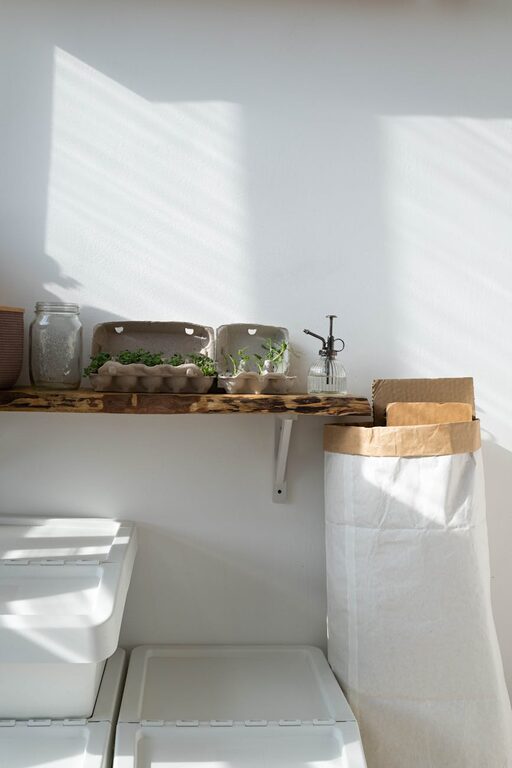
Creating an eco-friendly home doesn’t have to be expensive or complicated. With thoughtful choices and a bit of creativity, you can reduce your environmental footprint while saving money. In this post, we’ll explore practical tips for making your home greener on a budget.
Why Create an Eco-Friendly Home?
An eco-friendly home uses resources efficiently, reduces waste, and minimizes pollution. This not only helps protect the planet but often lowers your utility bills and improves your living environment. Even small changes can add up to significant benefits over time.
Start with Energy Efficiency
Energy consumption is one of the biggest factors affecting your home’s environmental impact. Here are some affordable strategies to improve efficiency:
Upgrade Lighting
– Replace incandescent bulbs with LED bulbs. LEDs use up to 75% less energy and last much longer.
– Take advantage of natural light during the day to reduce dependency on artificial lighting.
Manage Heating and Cooling
– Use programmable or smart thermostats to control temperatures efficiently.
– Seal windows and doors to prevent drafts. Weatherstripping and caulking are inexpensive fixes.
– Add insulating curtains or blinds to help retain heat in winter and keep your home cool in summer.
Choose Energy-Efficient Appliances
– When replacing appliances, look for those with an ENERGY STAR label.
– Even if new purchases aren’t on the horizon, maintain your current appliances by cleaning filters and performing simple repairs.
Reduce Water Usage
Conserving water helps save a precious resource and decreases your water bills.
– Install low-flow showerheads and faucet aerators. These devices reduce flow without compromising water pressure.
– Fix leaks promptly — a dripping faucet can waste gallons of water monthly.
– Collect rainwater for watering plants or flush toilets where permitted.
Embrace Sustainable Materials and Decor
Using eco-friendly materials can lower toxicity and waste in your home while supporting sustainable industries.
– Choose furniture made from reclaimed wood, bamboo, or other renewable resources.
– Opt for washable and reusable household items instead of disposable ones.
– Use non-toxic, low-VOC (volatile organic compounds) paints and cleaning products.
Shop Smart and Reduce Waste
Minimizing waste is an important part of an eco-friendly home.
– Buy in bulk or choose items with minimal packaging to cut down on trash.
– Start composting food scraps to reduce landfill waste and create nutrient-rich soil for plants.
– Donate or repurpose old furniture and household items instead of throwing them away.
Green Your Garden and Outdoor Space
You don’t need a large yard to add eco-friendly touches outside your home.
– Plant native species that require less water and support local wildlife.
– Use natural mulch to retain moisture and reduce weeds without chemical herbicides.
– Set up a small vegetable or herb garden in containers to enjoy fresh, homegrown produce.
Save with DIY Projects
Many eco-friendly upgrades can be accomplished with DIY approaches that keep costs down.
– Make your own natural cleaning solutions using simple ingredients like vinegar and baking soda.
– Build rainwater collectors or compost bins from recycled materials.
– Create draft stoppers from old fabric or towels to insulate doors and windows.
Final Thoughts
Building an eco-friendly home on a budget is all about making thoughtful decisions and taking manageable steps. By focusing on energy efficiency, water conservation, sustainable materials, waste reduction, and green gardening, you can create a healthier and more sustainable living space without a hefty price tag. Start small, and watch your efforts grow into lasting positive change for you and the environment.