
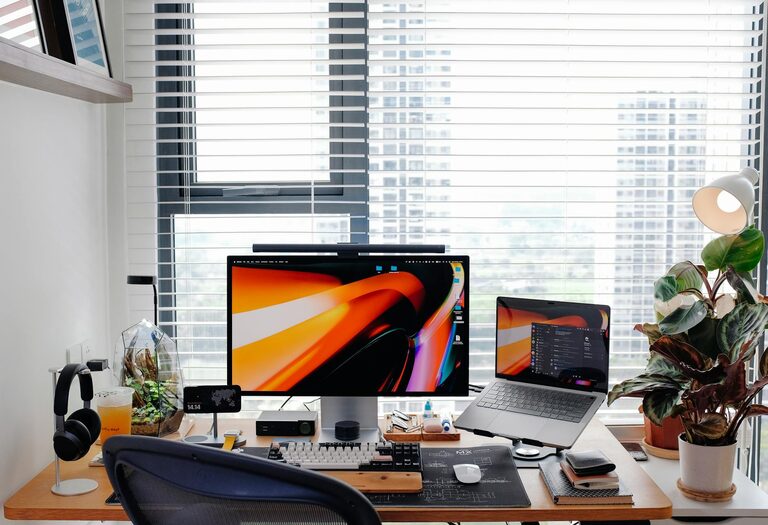
Creating a relaxing home workspace is essential for maintaining productivity and comfort throughout your workday. When your workspace feels inviting and stress-free, it can boost concentration, increase motivation, and improve overall well-being. If you’re working from home or simply need a dedicated area for projects, these tips will help you design a peaceful and productive environment.
Why a Relaxing Workspace Matters
Your workspace influences how you feel and perform during the day. A cluttered, noisy, or uncomfortable setup can cause distractions, fatigue, and stress. On the other hand, a well-designed space encourages focus, creativity, and calm. By prioritizing relaxation in your work area, you create an atmosphere that supports success.
Choose the Right Location
Find a Quiet Spot
Select a location in your home that naturally reduces noise and interruptions. Avoid high-traffic areas or places close to the television or kitchen. If noise is unavoidable, use noise-cancelling headphones or a white noise machine to minimize distractions.
Consider Natural Light
Position your workspace near a window if possible. Natural light helps regulate your internal clock, reduces eye strain, and boosts mood. Be mindful of glare on screens, and add adjustable blinds or curtains to control brightness.
Optimize Your Desk Setup
Invest in Comfortable Furniture
Choose a desk and chair that suit your body and work style. An ergonomic chair with proper lumbar support helps prevent back pain. Your desk should be at a height where your arms rest comfortably when typing.
Declutter Regularly
Keep your desk tidy to minimize visual distractions. Use organizers, drawers, or shelves to store supplies and documents. A clean space promotes a clear mind and faster work pace.
Personalize Thoughtfully
Add a few personal touches like a small plant, artwork, or photos, but keep things simple. These items can create a welcoming atmosphere without overwhelming your workspace.
Enhance Comfort and Functionality
Control the Temperature
Maintain a comfortable room temperature—too warm or too cold can hamper focus. Use fans, heaters, or air conditioning as needed to stay cozy.
Manage Lighting
If natural light isn’t enough, select adjustable artificial lighting. A desk lamp with warm light can make your space feel inviting and reduce eye strain.
Improve Air Quality
Fresh air supports alertness and health. Open a window regularly or use an air purifier to keep your environment clean and comfortable.
Incorporate Relaxing Elements
Use Calming Colors
Choose soothing colors for your walls or decor, like soft blues, greens, or neutrals. These shades promote relaxation and reduce stress.
Add Plants
Indoor plants not only brighten your space visually but also improve air quality and reduce anxiety.
Play Soft Background Music
If it helps you focus, play gentle instrumental music or nature sounds. Avoid distracting or loud tracks.
Set Boundaries and Routines
Define Your Work Hours
Create a schedule that balances work and breaks. Knowing when your workday starts and ends helps separate your personal and professional time.
Take Regular Breaks
Stepping away from your desk periodically refreshes your mind and body. Consider stretching, walking, or deep breathing exercises.
Minimize Digital Distractions
Turn off unnecessary notifications and limit social media during work hours to stay focused.
Organize Digitally
Use Productivity Tools
Apps and software can help plan tasks and manage time efficiently.
Back Up Files
Regularly save and back up your work to avoid stress over data loss.
Final Thoughts
Designing a relaxing home workspace takes some planning, but the benefits to your productivity and mental well-being are worth it. By choosing a quiet, well-lit spot, optimizing comfort, and personalizing your area thoughtfully, you create an environment where focused work feels natural and enjoyable. Remember, the best workspace supports both efficiency and calm, helping you do your best work every day.