
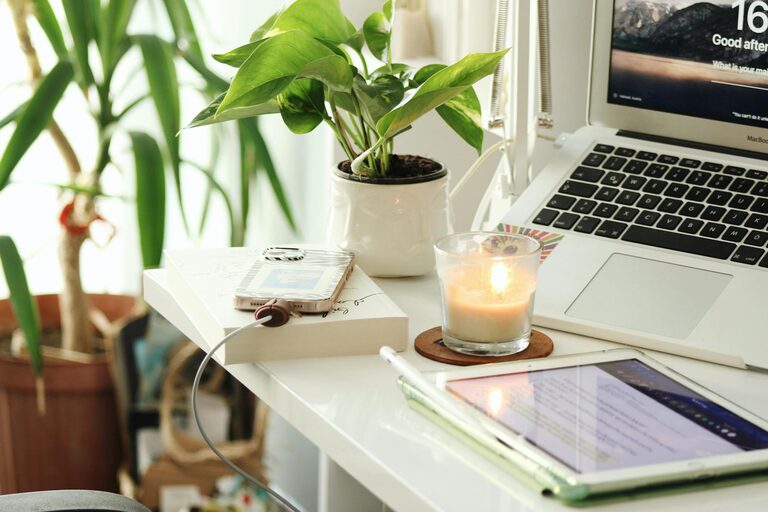
Creating a home office that feels cozy and boosts your productivity is essential as more people work remotely or run businesses from home. A well-designed space can inspire creativity, reduce stress, and help you maintain focus throughout your workday. Here are practical tips to help you craft a home office that balances comfort with efficiency.
1. Choose the Right Location
Find a Quiet Spot
Look for a place in your home that minimizes distractions. This might be a spare room, a quiet corner, or a section of your living room that can be separated from foot traffic.
Consider Natural Light
Position your desk near a window if possible. Natural light improves mood and productivity, reduces eye strain, and makes a space more inviting.
2. Invest in Comfortable, Functional Furniture
Ergonomic Chair and Desk
Choose a chair that supports proper posture. An adjustable ergonomic chair helps prevent back and neck pain. Pair it with a desk at a suitable height for comfortable typing and writing.
Multi-Purpose Surfaces
If space is limited, consider foldable desks or desks with built-in storage. A tidy, uncluttered surface keeps you focused.
3. Optimize Lighting
Layer Your Lighting
Use a combination of ambient, task, and accent lighting. Ambient lighting provides overall brightness, task lighting focuses on your work area, and accent lighting adds warmth.
Avoid Glare and Shadows
Position your light sources to avoid glare on your screen and shadows on your work surface.
4. Personalize Your Space
Add Comfort Elements
Incorporate cozy touches like a soft rug, cushions, or a throw blanket to make your space inviting.
Use Inspiring Decor
Hang artwork, motivational quotes, or photos that uplift you. Personal items can boost morale without cluttering the workspace.
5. Keep It Organized
Use Storage Solutions
Shelving units, filing cabinets, and drawer organizers help keep important documents and supplies neat and easy to find.
Declutter Regularly
Take time weekly to clear out unnecessary items. A tidy environment supports a clear mind.
6. Include Plants
Benefits of Greenery
Plants improve air quality and create a pleasant atmosphere. Choose low-maintenance varieties like succulents or snake plants.
Placement Tips
Place plants near your desk or in corners to add life without crowding your workspace.
7. Set Up Technology Efficiently
Manage Cables
Use cable organizers or clips to keep cords under control and avoid a tangled mess.
Ensure Proper Equipment
Invest in reliable devices like a good quality monitor, keyboard, and mouse. Tools that work well reduce frustration during work.
8. Create Boundaries for Work-Life Balance
Define Work Hours
Set specific times for work and breaks to maintain focus and prevent burnout.
Separate Work and Relaxation Areas
If possible, keep your office area separate from spaces designated for leisure to help mentally switch between work and rest.
9. Control Noise Levels
Soundproofing Tips
Use rugs, curtains, or foam panels to absorb sound if noise is a distraction.
Use White Noise or Music
Some people find background noise or soft music helpful for concentration. Experiment to see what works for you.
10. Keep Your Space Flexible
Adapt as Needed
Your needs may change, so choose furniture and layouts that allow you to rearrange or expand your workspace.
Incorporate Standing Options
Consider a sit-stand desk or a convertible setup to alternate positions throughout the day.
—
By following these tips, you can create a home office space that not only feels welcoming but also helps you stay productive and organized. Remember, the key is balancing comfort with functionality, so tailor these suggestions to suit your personal preferences and work style. Happy decorating!